
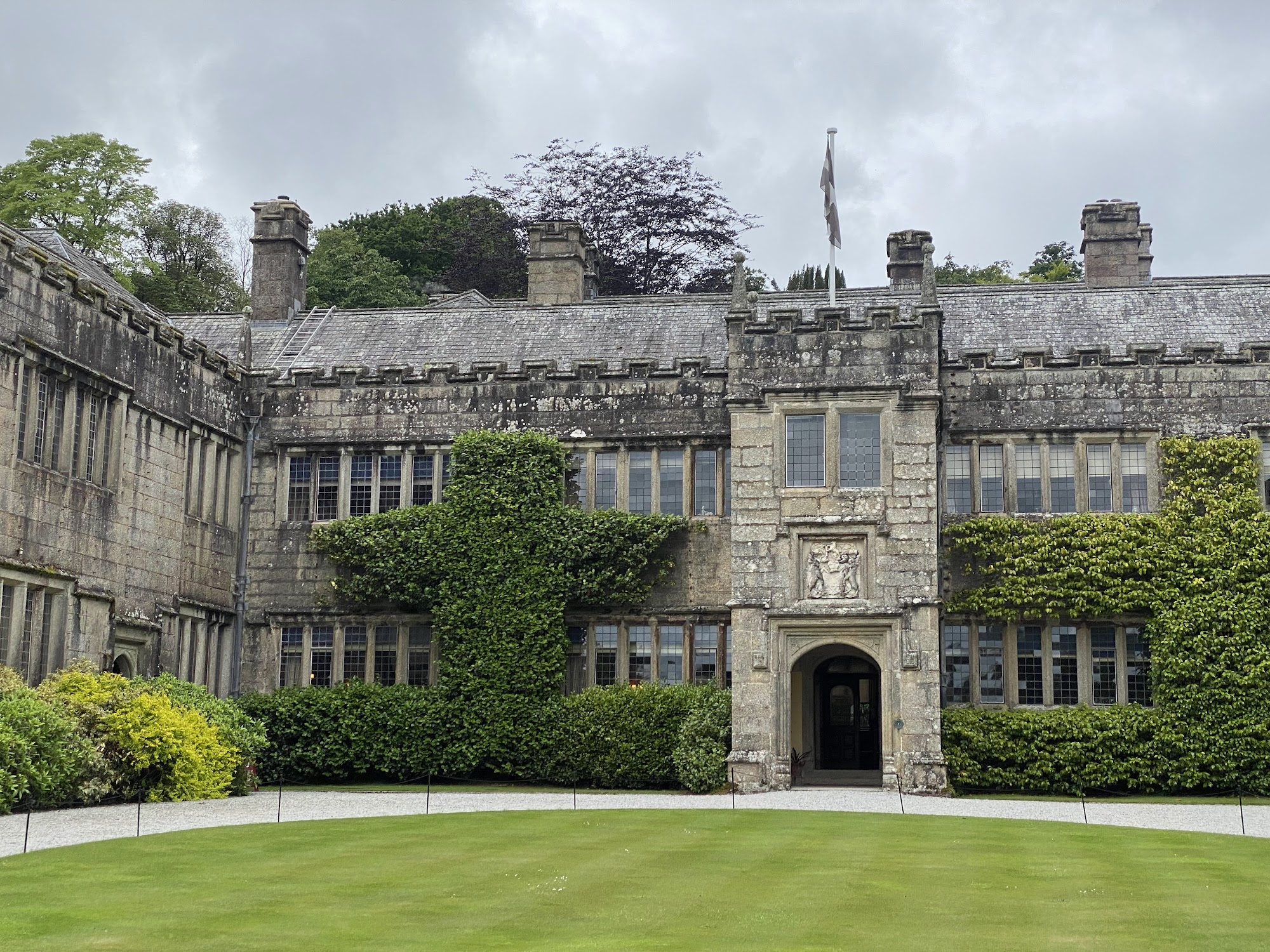
Cornwall is home to some of the most atmospheric and diverse historic places in the country. Whether you’re drawn to the dramatic tidal island of St Michael’s Mount, the Tudor character of Trerice, or the riverside tranquillity of Trelissick, there’s a remarkable variety of places to explore across Cornwall in the care of the National Trust
This complete guide brings together every National Trust property in Cornwall in one place. We’ll cover the history behind each site, what you can expect to see today, what facilities are available, and key practical information to help you plan your visit.
Whether you’re planning a dedicated heritage tour or simply looking to add one or two special stops to your Cornish itinerary, this guide will help you make the most of every visit.
National Trust Properties in Cornwall
Trelissick
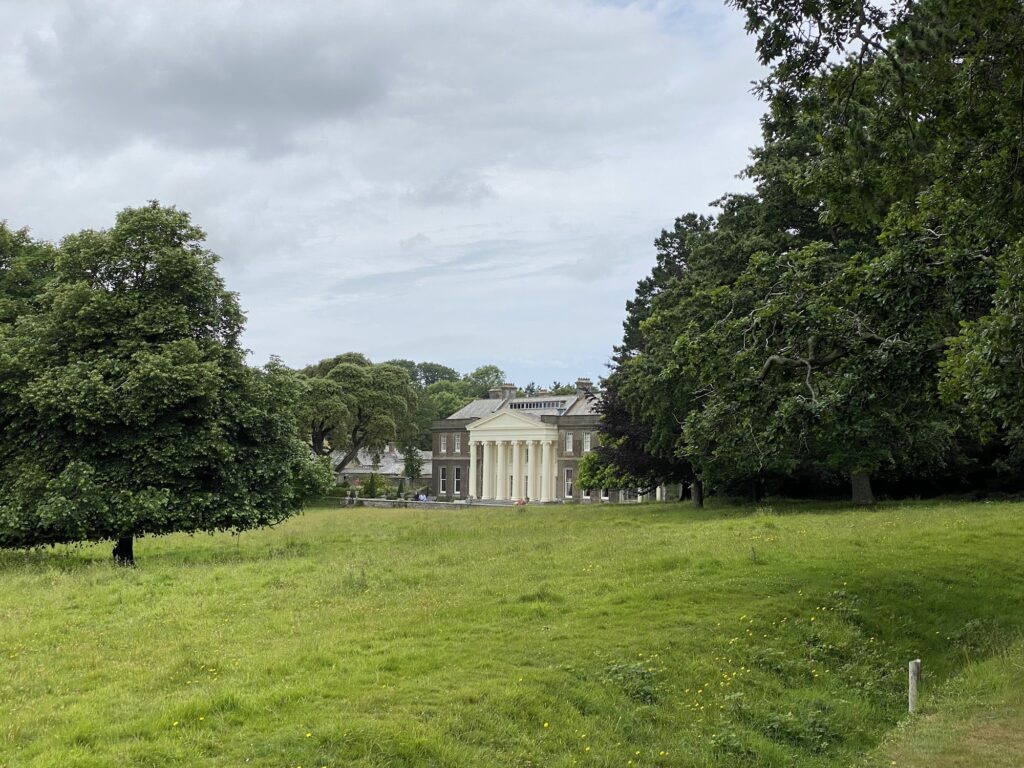
Trelissick stands proudly overlooking the River Fal. Rooted in the 13th century as a farm (its Cornish name meaning “Leidic’s farm”), the estate evolved into a Georgian country retreat. Its fine gardens sit within an Area of Outstanding Natural Beauty, boasting panoramic views of the Fal estuary.
History of Trelissick
The house as it stands today dates back to around 1755, and successive owners expanded and altered it, especially in the 19th century when a neo-Greek portico was added; a feature that contributes to its stately appearance today.
In 1955 the estate was gifted to the National Trust by Ida Copeland, whose family had lived here and developed both the gardens and collections over several generations.
Trelissick’s gardens and parkland are listed in the Historic Parks & Gardens register for their horticultural and historic significance, and the estate lies within the Cornwall Area of Outstanding Natural Beauty.
What Trelissick Is Like Today
Trelissick House is a welcoming historic villa rather than a grand formal stately home. It combines architectural layers from the 18th and 19th centuries and is presented as a relaxed space rather than a strict museum.
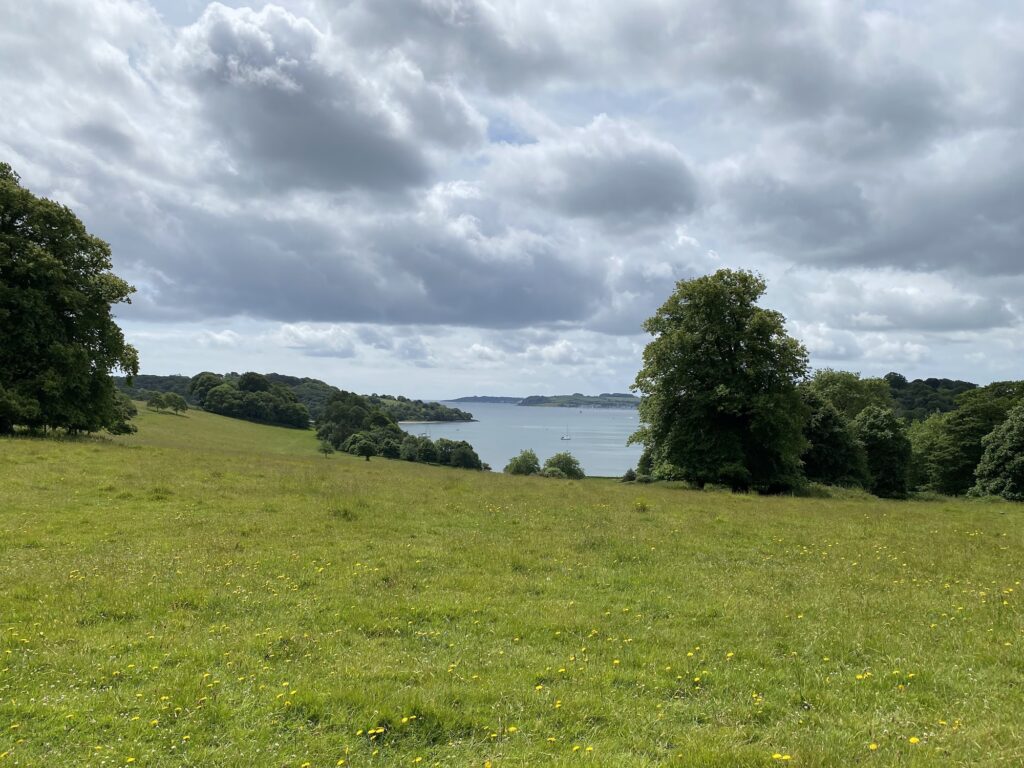
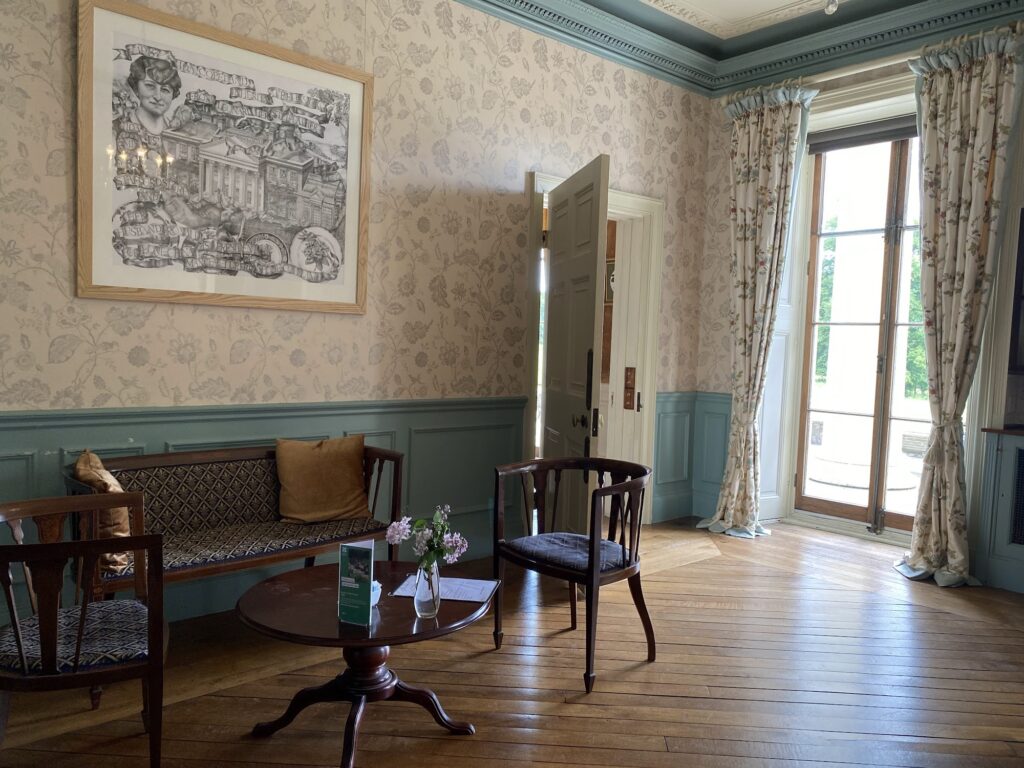
Inside, you’ll find modest collections, including ceramics inspired by the garden and collections connected to the Copeland family, but perhaps the best reason to visit the interior is to sit in the south-facing rooms of the tearoom and enjoy the stunning views over the Fal estuary while taking in the atmosphere.
Trelissick’s 40+ acres of gardens are one of its main attractions, celebrated for sweeping estuary views and panoramic vistas. There are exotic and subtropical plantings of rhododendrons, camellias, hydrangeas, tree ferns and more that thrive in Cornwall’s mild climate.
Beyond the formal garden lies 300+ acres of parkland and woodland, with scenic woodland walks, rolling fields, grazing livestock and informal paths that extend down toward the shoreline and small Trelissick Beach.
What You Can Do at Trelissick
- Wander the Gardens – Explore the winding garden paths, enjoy the views across the estuary and discover seasonal plant displays in spring, summer and autumn.
- Take Scenic Walks – The estate offers miles of walks through parkland and oak woodlands; suitable for families, ramblers and people walking dogs, with highlights including the Iron Age fort at Roundwood and paths leading to the riverside.
- Tearoom – The House Tearoom (in the house) and the separate Crofters Café serve light lunches, cream teas and refreshments, perfect stops after a garden wander or walk.
- Family Activities – During school holidays there are often trails and nature-inspired activities for children, and picnic spots throughout the gardens provide lovely outdoor spaces to rest.
- Art & Shopping – Trelissick includes an art gallery hosting exhibitions by local Cornish artists, a gift shop, plant centre and second-hand bookshop — ideal for browsing local crafts and souvenirs.
Bonus: From spring to autumn you can also arrive by boat – Enterprise Boats runs a seasonal service from Falmouth via St Mawes, adding a scenic start to your visit.
Facilities at Trelissick
Trelissick has a range of facilities to make your visit comfortable:
- House Tearoom – inside Trelissick House serving light lunches and treats with views.
- Crofters Café – separate café serving hot lunches, cream teas and drinks.
- Gift shop and plant centre with local produce and garden plants.
- Art gallery featuring local crafts.
- Second-hand bookshop.
- Parking – Pay and display, free for National Trust members.
- Accessibility – Blue badge parking spaces, accessible routes in parts of the garden, Tramper/mobility vehicles and wheelchairs available (booking essential for mobility vehicles).
- Toilets – Including accessible and baby-change facilities.
Key Things to Know Before You Visit Trelissick
Opening Times
- Gardens: typically 10:00–17:00 daily (main garden paths).
- House & Tearoom: usually 11:00–16:00 (subject to seasonal changes and winter closures).
- Parkland & Woodland Walks: open dawn to dusk year-round.
Ticketing
- National Trust members enjoy free entry and parking as part of their membership.
- Non-members pay admission
Accessibility
Most of the garden and some parkland routes are accessible, and mobility aids are available by booking. Woodland routes and longer trails can be uneven.
Address: Feock, near Truro, Cornwall, TR3 6QL, England.
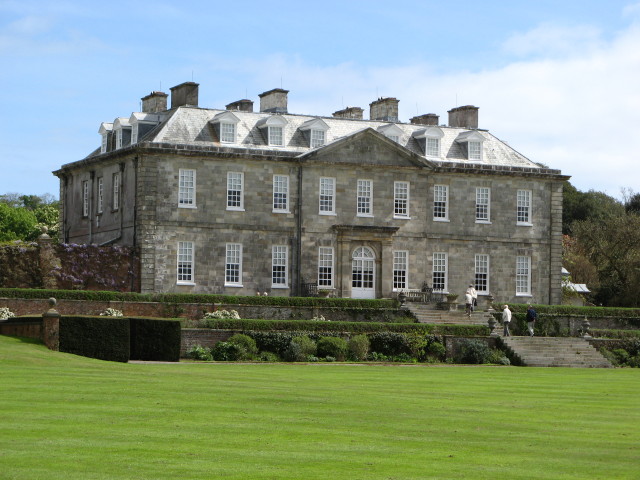
Image Credit: Brian / Antony House, Torpoint / CC BY-SA 2.0
Antony
Antony is an elegant early 18th-century mansion set in south-east Cornwall. Today Antony is recognised as a Grade I listed historic house and one of the West Country’s best examples of Queen Anne-inspired architecture.
History of Antony House
Antony was built between 1718 and the mid-1720s for Sir William Carew, 5th Baronet, replacing an earlier family home on the estate.
The Carew family had owned the land since the 15th century, and Antony was designed as a substantial Georgian house using local Pentewan stone, giving its distinctive silvery-grey façade. Its principal rooms were completed in the 1720s, and the interior was furnished with fine woodwork, paintings, and antiques.
Over the centuries the estate stayed in the family. Later generations added architectural enhancements and expanded the gardens. The house was reshaped and maintained through the 19th and early 20th centuries by successive Carew-Pole heirs, incorporating their tastes and collections.
In 1961 Sir John Carew Pole gifted Antony to the National Trust, with the understanding that his family could continue to live there. The property remains a lived-in family home, with many furnishings and artworks on long-term loan from the family’s collection.
What Antony Is Like Today
Inside the house you’ll find portraits, family heirlooms and decorative pieces lining the rooms, reflecting centuries of family history. Notable works include portraits of past owners, including a famous portrait of Charles I at his trial.
The family’s private life and history are woven into the interpretation, and while not every room is guaranteed open on every visit (it’s still a working home), you can explore a rich array of historical interiors.
Antony’s gardens were shaped in part by Humphry Repton, one of England’s leading landscape designers. Repton’s influence is visible in the sweeping vistas down towards the River Lynher, terraced lawns, ornamental planting and beautifully framed views.
Garden highlights include:
- Formal areas with playful topiary and sculptural features
- A national collection of daylilies
- Seasonal blooms like daffodils in spring and vibrant herbaceous borders in summer
- Sculptures such as Water Cone and Hypercone dotted through the garden
Antony was even used as a film location for Tim Burton’s Alice in Wonderland, adding to its charm for visitors of all ages.
Note: Adjacent to the National Trust formal garden is the Antony Woodland Garden & Woodland Walks, a separate 100-acre estate managed by the Carew Pole Garden Trust featuring camellias, magnolias and wildflower glades – well worth visiting if you have time.
What You Can Do at Antony
While visiting, here’s how you can make the most of your time:
- Explore the Historic House – Discover the family’s portraits, furniture and personal stories. Look out for unique artefacts that weave local and national history together.
- Wander the Gardens – Enjoy the formal garden with its sculptures, colourful planting and riverside vistas. Spot the national daylily collection in peak season.
- Family Activities – If you’re visiting with children you can enjoy spotter trails, storytelling spaces and special events during school holidays.
Facilities at Antony
During the open season (spring to autumn), Antony offers several visitor facilities:
- Colonnade Café – light lunches, cakes, snacks and drinks with indoor and outdoor seating.
- Second-hand Bookshop
- Accessible Parking and Toilets
- For families – baby-changing facilities and buggy-friendly garden routes improve the experience for younger visitors.
Key Things to Know Before You Visit Antony
Opening Times
Antony House and gardens are seasonal: typically open April through October with set days and times on certain days of the week. The property closes for the winter and reopens in spring (around 1 April).
Antony House is typically open Tuesday – Thursday and Sundays, plus Bank Holiday openings, and times can vary year to year, so make sure to check online before visiting to ensure the property is open.
Ticketing
- National Trust members enjoy free entry as part of membership.
- Non-members pay an admission fee; prices vary by season and age group.
Antony Woodland Garden (separate from NT ownership) has its own charges.
Dogs
Well-behaved dogs on leads are allowed on the gravel paths in some garden areas and on estate paths. Only assistance dogs are allowed within the house, grass areas in the garden and within the Summer Garden
Accessibility
The garden grounds are largely accessible, and there’s accessible parking.
House accessibility is more limited due to historic stairs and layout. Check accessibility details before visiting.
Address: Ferry Lane, Torpoint, Cornwall, PL11 2QA, England.
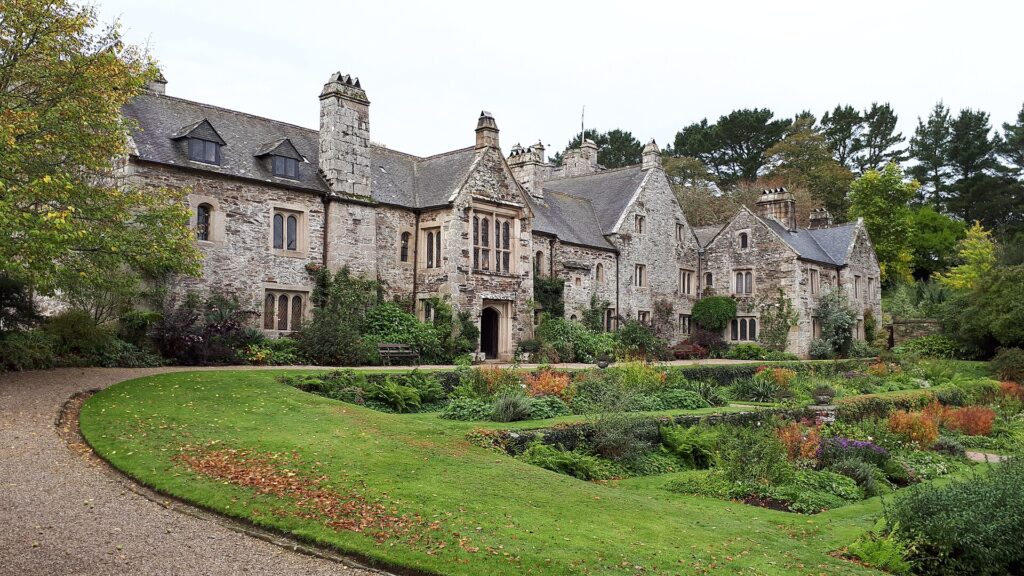
Image Credit: Geertivp under CC BY-SA 4.0
Cotehele
Cotehele has deep roots stretching back to the medieval period. The estate was acquired by the Edgcumbe family in 1353 and remained in their hands for nearly six centuries. What you see today largely reflects Tudor-era expansion and later enhancements rather than a palatial mansion built in a single era.
History of Cotehele
Over the 15th and 16th centuries, the house was rebuilt and extended into the courtyard layout visitors recognise today.
Rather than modernise with the latest fashions, 18th- and 19th-century generations deliberately preserved its historic feel, filling rooms with antiquarian furniture, tapestries and curios to evoke an ancestral atmosphere. Cotehele even hosted King George III and Queen Charlotte in 1789, with the Queen noting the use of old family pewter and heirlooms at breakfast.
After WWII, the family donated Cotehele to the National Trust. The Trust opened the property for public visits after conservation work, preserving its layered history for future generations.
What Cotehele Is Like Today
Inside the house you’ll find an impressive collection of Georgian antiques, tapestries and armour. There are also plenty of unique treasures to explore, including the 2.5 metre high whale jawbones that flank the doorway to the Great Hall, and the Tudor era turret clock in the medieval chapel.
The gardens are expansive and historic, set on terraced slopes with stunning views over the Valley Garden, lily pond, medieval stewpond and dovecote. The planting schemes evolved over centuries and offer visual interest year-round.
Orchards on the site grow heritage apple varieties (more than 125 in the Mother Orchard), cherries and other fruit, reflecting the estate’s agricultural heritage.
Beyond the house and garden, the estate spans ancient woodland, riverside paths, the historic Cotehele Quay and the Victorian watermill, with miles of walking trails revealing both nature and industrial history.
What You Can Do at Cotehele
- Explore the Historic House – Discover centuries of architecture and collections reflecting Tudor life and later antiquarian tastes.
- Garden and Grounds – Wander the formal terraces, Upper Garden and Valley Garden with seasonal colour.
- Walking & Nature Trails – Take woodland and riverside walks around the estate.
- Cotehele Quay & Mill – Visit historic quay buildings and a restored sailing barge. Cotehele Mill offers insights into traditional milling (seasonal opening).
- Family Activities – Family-friendly options include kids’ trails, picnic spots and seasonal themed events like art activities or orchard harvest experiences.
Facilities at Cotehele
Cotehele offers a range of visitor facilities to make your day out comfortable:
- The Barn Café serves lunch, snacks and drinks; the shop and plant centre offer gifts, local produce and souvenirs.
- Second-hand bookshop
- Bull Pen Gallery for local arts and crafts.
- Parking – Pay-and-display car parks with free parking for National Trust members.
- Accessibility – Tramper hire, accessible parking and toilets, with varied terrain across gardens and woodland.
- Family Amenities – Baby-changing facilities, play areas and resources for children.
Key Things to Know Before You Visit Cotehele
Opening Times
- Estate and quay are open dawn–dusk.
- Gardens are generally open daily 10:00–17:00 (closing earlier in winter).
- House usually open seasonally, typically 11:00-16:00
Exact openings vary by season – check the official National Trust Cotehele page before your visit.
Ticketing
National Trust members enjoy free entry. Non-members pay admission (varies by season & element visited).
Dogs
Well-behaved dogs on leads are welcome in many outdoor parts of the estate and woodland. Assistance dogs are permitted in designated indoor areas.
Address: St Dominick, near Saltash, Cornwall, PL12 6TA, England.
Godolphin
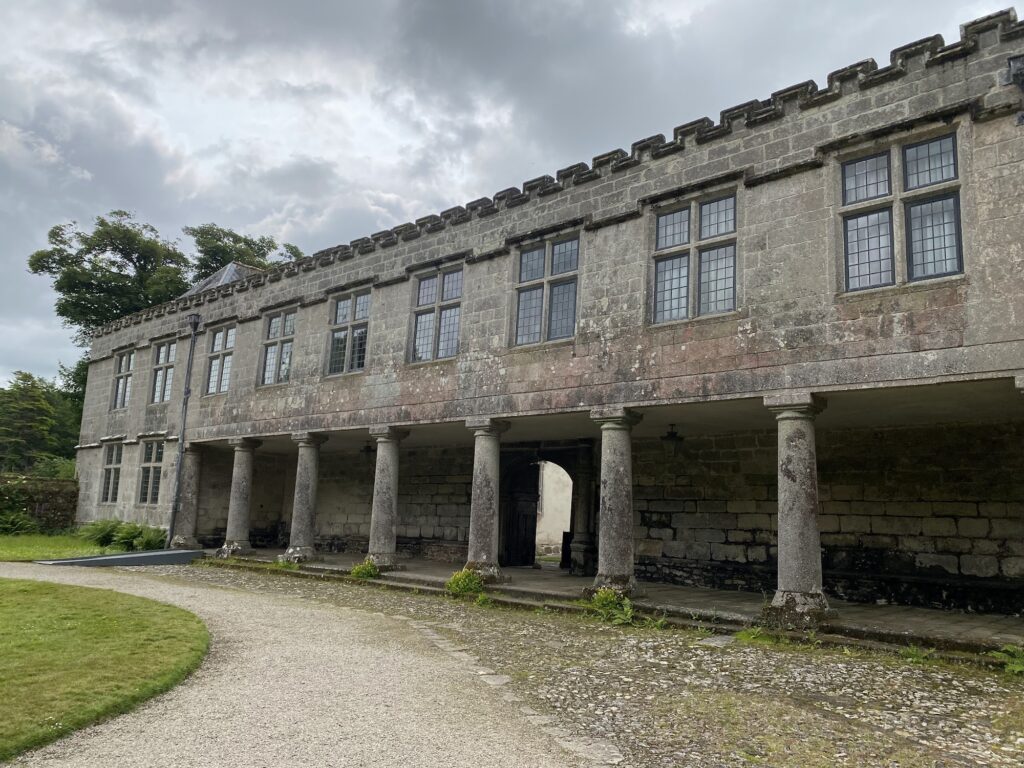
Godolphin is an ancient estate with a medieval garden and historic house. The Godolphin family was one of Cornwall’s most influential names. Later owned by the Duke of Leeds, the estate’s buildings include a Grade I-listed house, Elizabethan stables and many archaeological features from Bronze Age enclosures to mining relics.
History of Godolphin
The Godolphin estate has roots stretching back over five thousand years, with evidence of prehistoric settlement and ancient field systems still visible on Godolphin Hill.
From the 1300s, the Godolphin family rose in prominence in Cornwall, using wealth from local tin mining to build and expand a great manor house and formal gardens. Their influence helped shape one of Cornwall’s most historically significant estates.
Over centuries, the property changed hands and declined; the grand mansion once rivalled others in size and importance, but many parts were lost or repurposed over time. In the 20th century the estate was revived and conserved by successive owners with a passion for heritage.
In 2007 the National Trust purchased the house, gardens, farmyard and wider estate, protecting the site for future generations and beginning major conservation work on buildings, garden archaeology and landscape features. Today Godolphin is part of the Cornwall and West Devon Mining Landscape UNESCO World Heritage Site, recognising its importance in industrial and social history.
What Godolphin Is Like Today
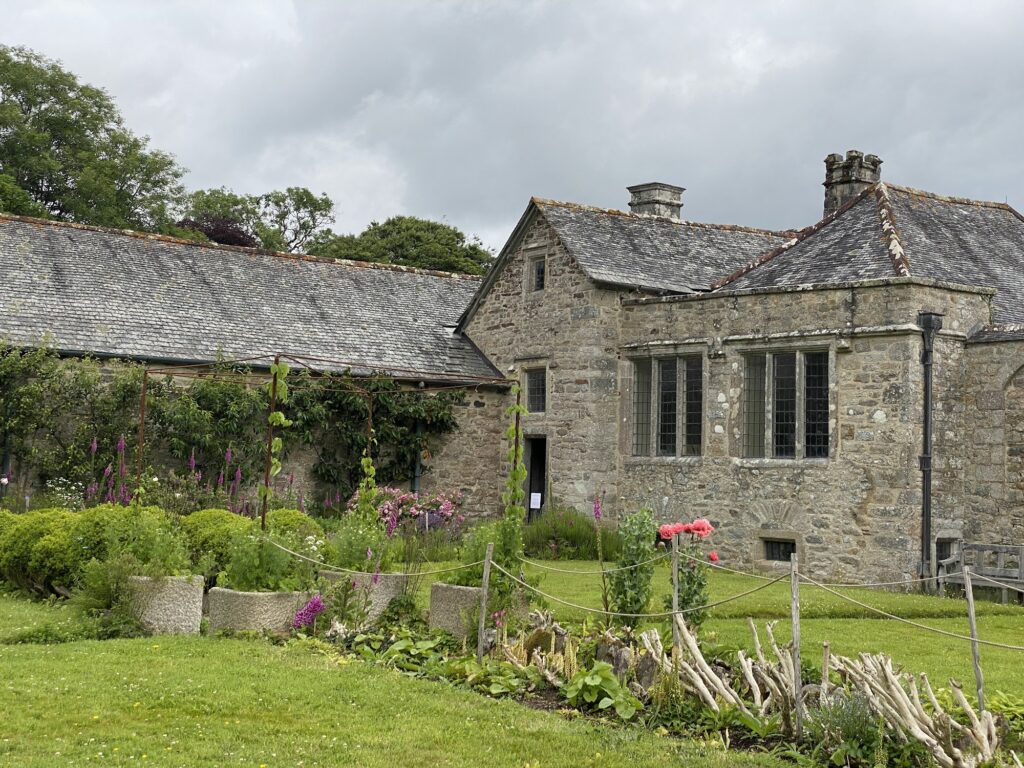
Godolphin House is a Grade I-listed Tudor/Stuart mansion; a remnant of a much larger house that once stood here, with parts dating from the 15th-17th centuries.
The house isn’t open every day like many stately homes; instead, during most months it opens to the public for about one week at a time, typically from the first Saturday to the following Thursday (except January). During that period visitors can explore rooms, hear introductory history talks and learn about the lives of its former inhabitants and the estate’s mining wealth.
Godolphin’s garden is one of the oldest formal gardens in England, preserving parts of the original Tudor layout. The garden is maintained without chemical treatments to enhance wildlife habitat; great for insects, birds and bats.
The estate stretches over hundreds of acres of farmland, woodland and historic features. Trails lead through:
Godolphin Hill, rising above the countryside with wide panoramic views across Mount’s Bay and St Ives Bay on a clear day.
Godolphin Woods, where signs of mining past remain among woodland paths.
Riverside walks along the River Hayle and open farmland rich with archaeological features from across millennia.
What You Can Do at Godolphin
- Explore the Garden – Wander at your own pace around the medieval garden and orchard, uncovering historic garden features and wildlife habitat.
- Visit the House (Seasonal) – When open, step inside the historic rooms of Godolphin House, learn about its architecture and stories of those who lived here, and attend introductory talks while exploring the rooms.
- Walk the Estate – Take longer countryside walks up Godolphin Hill for sweeping views, stroll woodland trails, and discover reminders of the estate’s mining heritage.
Facilities at Godolphin
- The Piggery tea-room serves hot drinks, cakes, sandwiches and seasonal treats, perfect after a garden wander or estate walk.
- Car Park – Parking is available on site with free parking for National Trust members.
- Second-Hand Bookshop
- Accessible Facilities – Accessible parking and toilets are provided, and a Tramper mobility scooter can be booked to help access paths and gardens (pre-booking essential).
Key Things to Know Before You Visit Cotehele
Opening Times
- Garden, estate and outbuildings are typically open daily
- Godolphin House opens to the public for limited weeks each month (usually from the first Saturday to the following Thursday) – check the National Trust website for current dates before planning your visit.
- The estate grounds are generally open year-round, but opening times for facilities may vary by season.
Ticketing
- Entry is free for National Trust members.
- Non-members pay admission for garden and estate access (prices vary by age and season; check the National Trust page before you go).
Accessibility
Estate paths include varied terrain: some woodland and hill walks are uneven and not suitable for wheelchairs or pushchairs.
Tramper mobility scooters are available but should be booked in advance.
Dogs
Dogs on short leads are welcome within Godolphin’s garden and outbuildings, including the tea-room. Assistance dogs only inside the house and King’s Room.
Dogs must be kept on a lead on the farmland, including Godolphin Hill, due to livestock grazing.
Address: Godolphin is near Godolphin Cross, Helston, Cornwall, TR13 9RE, England.
The estate is rural; prepare for country roads and bring suitable footwear if you plan to walk the hill or woodland paths.
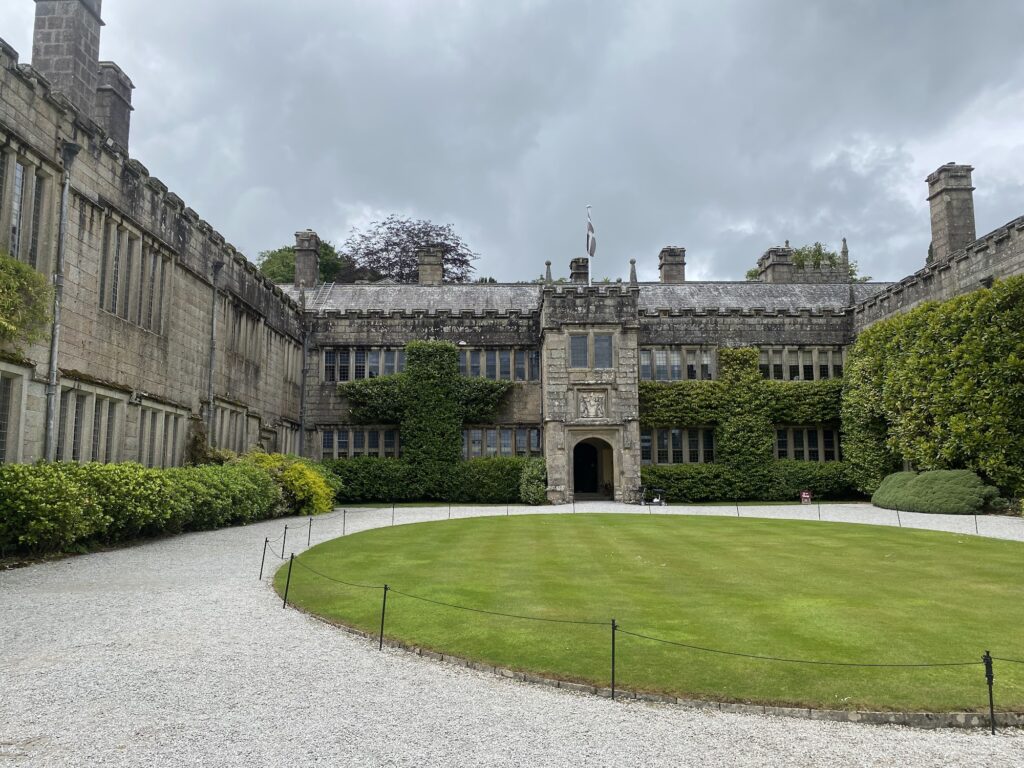
Lanhydrock
Lanhydrock is Cornwall’s grand Victorian country house. The original house was built in 1630, but after a devastating fire in 1881, the Jacobean house was refurbished in high-Victorian style. Most interiors are now Victorian and showcase rich family life with servant quarters, nurseries and formal reception rooms. The house stands in nearly 900 acres of parkland and woodland.
History of Lanhydrock
Lanhydrock originated as a grand country estate in the early 17th century. The Robartes family, wealthy landowners with interests in tin mining and local politics, began building the mansion around the 1620s.
The estate changed over the centuries and benefited from Victorian investment in the 19th century, especially by Thomas James Agar-Robartes and his family, who expanded and modernised it with stylish interiors, landscaped parkland and formal gardens.
A devastating fire in 1881 destroyed much of the older house, but it was rebuilt soon after in a high-Victorian style under architect Richard Coad, preserving some medieval elements such as the Long Gallery.
In 1953 the Agar-Robartes family gave the property to the National Trust, ensuring its conservation and opening it to the public. Today Lanhydrock is a Grade I listed country house set within extensive parkland and formal gardens, illustrating over four centuries of architectural and social history.
What Lanhydrock Is Like Today
Lanhydrock House offers one of the most immersive historic home experiences you can have with the National Trust: a large Victorian country house where visitors can explore upstairs and downstairs rooms. From elegant reception rooms and family bedrooms to servants’ quarters and kitchens, the house vividly illustrates life in a wealthy Victorian household.
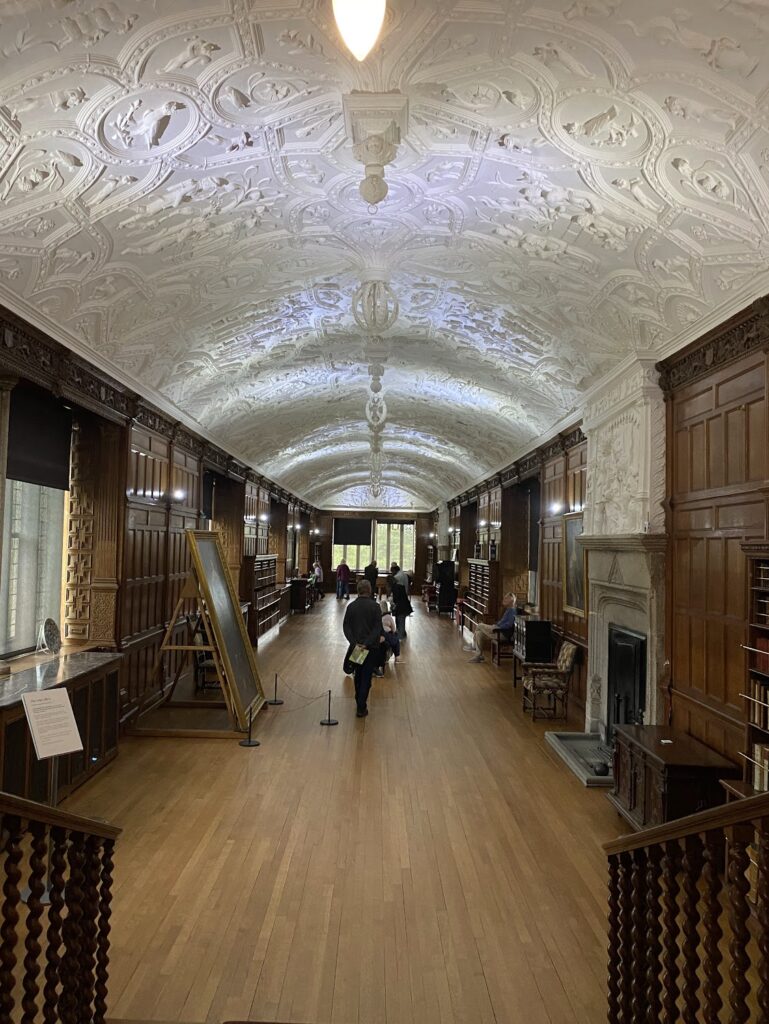
One of the most standout areas is The Long Gallery, which features an ornate ceiling; a masterpiece of Jacobean plasterwork, and one of the few parts of the house that survived the fire in 1881.
The formal gardens at Lanhydrock are expansive and full of colour throughout the seasons, with herbaceous borders, a formal parterre, croquet lawns and carefully shaped yews. There is a celebrated magnolia collection with blooms from early spring onwards.
These gardens sit beside a wooded landscape and parkland that runs down to the river, creating a varied outdoor experience.
Beyond the house and garden is nearly 900 acres of parkland, ancient woodland and countryside, offering plenty of walking and wildlife-spotting opportunities. Trails lead to historic features like a medieval deer wall, a Victorian swimming pool, riverside paths and more.
What You Can Do at Lanhydrock
- Explore Lanhydrock House – You can take several themed routes through the house to discover stories of the Agar-Robartes family and the servants who ran the household.
- Wander the Gardens – Explore the formal parterre, herbaceous borders, magnolia plantings and more.
- Enjoy Outdoor Walks – There are multiple circular walks around the estate, from gentler woodland and parkland circuits to longer routes exploring historic features like the Deer Wall Walk, riverside paths and woodland trails.
- Family Activities – Lanhydrock is particularly family-friendly: younger visitors can enjoy interactive exhibits in the house.
Facilities at Lanhydrock
Visitors will find a range of facilities to make the day comfortable and enjoyable:
- Park Café – Open year-round, next to the visitor car park; ideal for coffee, light meals and homemade snacks.
- Stables Café – Seasonal café near the house (usually open March–October) with hot drinks and lunches.
- Courtyard Restaurant: Sit-down meals at lunch in the former servants’ hall – check seasonal opening before you visit.
- A shop selling locally sourced gifts, National Trust merchandise and seasonal treats (primarily March–October).
- A plant centre offering seasonal plants and garden products.
- Parking and toilets, including accessible facilities.
Key Things to Know Before You Visit Lanhydrock
Opening Times
- Typically, Lanhydrock House and formal gardens open seasonally from March.
- The wider estate, countryside paths and Park Café remain open year-round.
- Exact house opening hours and days vary by season; always check the National Trust Lanhydrock page before planning your visit.
Ticketing
- National Trust members enjoy free entry as part of membership.
- Non-members pay admission for the house and garden; prices vary by age and season.
Accessibility
Some accessible paths and facilities are available; wheelchair and mobility scooter hire is possible (booking advised).
Walkways around parkland and woodland vary in terrain and may be uneven.
Address: Bodmin, Cornwall, PL30 5AD, England.
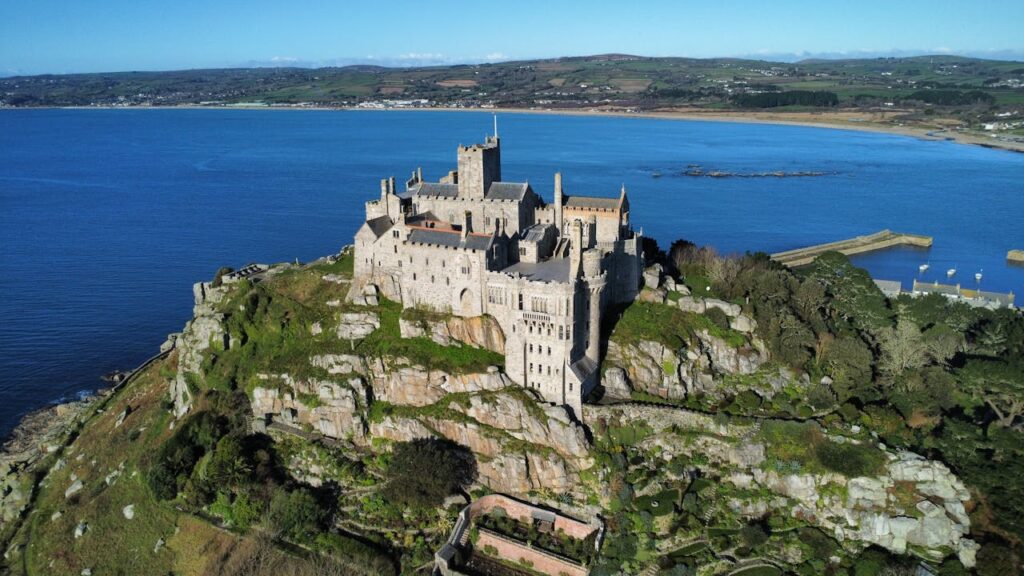
St Michael’s Mount
St Michael’s Mount is Cornwall’s iconic tidal island, crowned by a medieval castle, subtropical terraced gardens and ancient village with roots over 1,000 years old. Historically a priory and fortress, it’s been home to the St Aubyn family since the mid-17th century and is managed in partnership with the National Trust.
The History of St Michael’s Mount
St Michael’s Mount is a dramatic rocky island in Mount’s Bay with a long and layered past that stretches back over a thousand years.
The earliest historic use of the site was as a Christian holy place, linked with the archangel St Michael in early medieval times, similar in spirit to the famous Mont Saint-Michel in Normandy.
A Benedictine priory was established here in the 12th century, growing into a fortified religious site. After the turmoil of the English Civil War and Dissolution of the Monasteries, the island became linked with the St Aubyn family (later St Aubyn Estates), who transformed parts of the fortress into a home from the mid-17th century onwards.
The castle interior reflects this long history with medieval stonework, elaborate plasterwork, fine furniture, armour and eclectic curios.
What St Michael’s Mount Is Like Today
Today, St Michael’s Mount remains a living community with residents, gardens, a harbour village and a fortress-like castle that invites exploration.
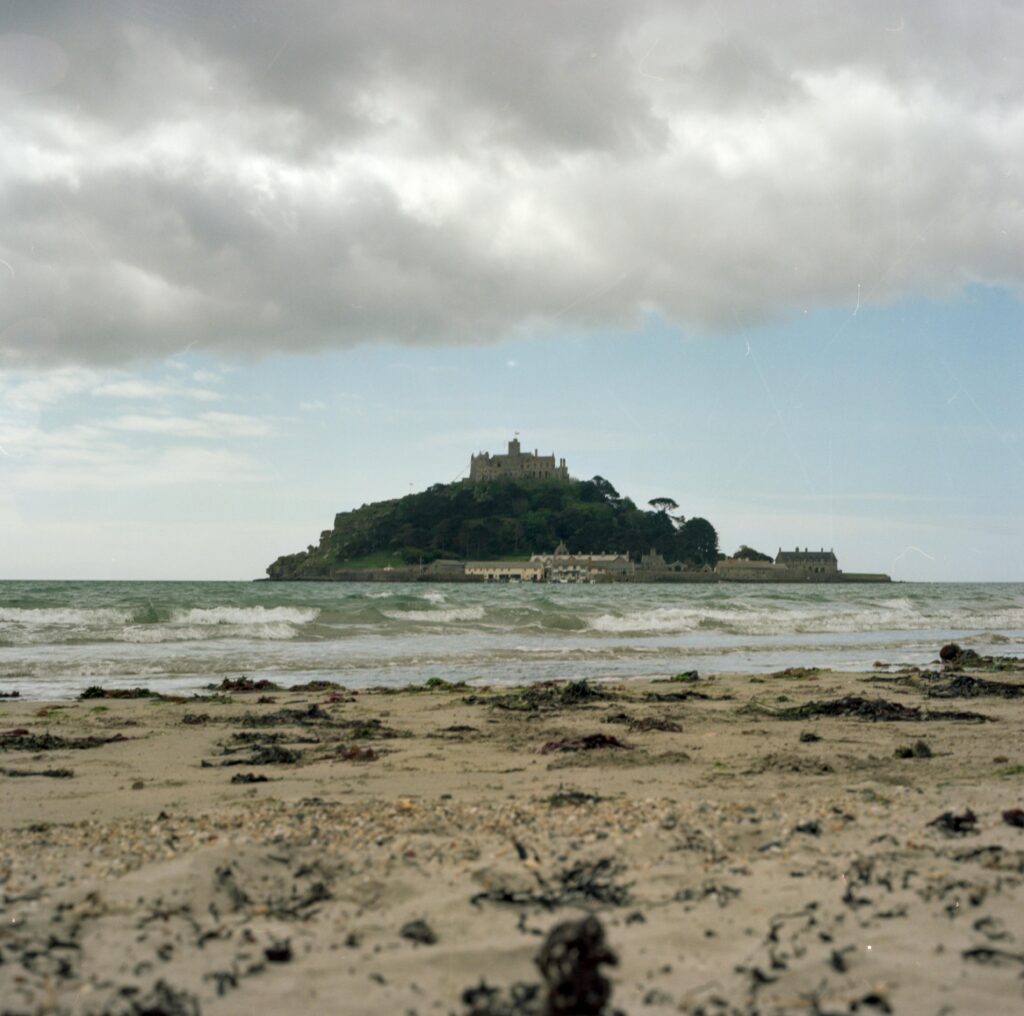
St Michael’s Mount is a tidal island, at low tide visitors can cross the ancient stone causeway on foot, and at high tide access is by boat. The castle sits at the summit, offering a fascinating mix of military architecture, family rooms and historic spaces to explore.
Inside the castle you’ll find historic chambers reflecting medieval, Tudor and later interiors, plus you can enjoy panoramic views from battlements over Mount’s Bay and Penzance.
Below, the terraced subtropical gardens cling to the granite slopes and were developed in the late 19th century. They are known for exotic succulents, agave, cacti and other plants that thrive in sheltered, sun-soaked microclimates.
At the base of the island is a small village and working harbour with a handful of cottages, galleries, shops and cafés; a lively, atmospheric space where residents still go about daily life.
What You Can Do at St Michael’s Mount
- Cross the Causeway – At low tide you can walk across the causeway from Marazion beach to the island; a quintessential experience that reconnects visitors with centuries of pilgrim tradition. If the tide is in, a range of boats operate from Marazion to ferry visitors across the water.
- Explore the Castle – Tour the castle interior with exhibits of architecture, decorative arts and artefacts spanning centuries. Enjoy views from the battlements over Mount’s Bay and the wide Cornish coast.
- Stroll the Gardens – Wander the subtropical terraced gardens with exotic plantings and sheltered viewpoints.
- Village & Harbour Life – Explore the harbour village streets, local galleries and boat activity.
Facilities at St Michael’s Mount
St Michael’s Mount has a range of visitor facilities, though availability can vary by season:
- Visitor Centre (Barge House) – orientation point with exhibits, models and info on the island’s history and layout.
- Cafés & Restaurants – seasonal options include an Island Café, harbour-front seating and seasonal treats like ice cream.
- Shops & Gallery – local artisans and souvenir shops in the village and galleries.
- Public Toilets & Baby-Change available in harbour areas.
- Accessibility – access over the causeway and up to the castle is steep and uneven; ferry boats and amphibious craft help when tides restrict walking access.
- Harbour Parking – Car parks in Marazion with clear signage to the causeway and ferry points.
Key Things to Know Before You Visit St Michael’s Mount
Opening Times
St Michael’s Mount has seasonal opening times, with certain parts of the island only open at set times of the year.
- Main season: The castle and gardens are open on set days and times from spring through autumn, and tickets are generally required.
- Winter season (Nov-mid-Mar): Harbour, village, cafés and shops are open free of charge, but the castle and gardens are closed.
- Tide-dependent access: The island is tidal; always check tide times to plan whether you’ll be able to walk the causeway or need a boat crossing.
Ticketing
- National Trust membership can grant free entry to the castle and gardens when pre-booked; members should bring valid cards and book online ahead of time.
- For non-members, castle and garden visits typically require paid tickets.
- Free entry to the harbour village and shops during certain months (e.g., winter) does not include castle/garden access.
Dogs
Assistance dogs are welcome, but you must contact them in advance. Pets are prohibited from the island during the main season, however, during the winter period, dogs are permitted in the harbour and village areas.
Address: Marazion, Cornwall, TR17 0HS, England.
The island is accessed from Marazion beach, either along the causeway at low tide or by ferry.
Practical Tips
- Wear sturdy footwear, as paths and the causeway are cobbled and uneven
- Keep an eye on last entry times for the castle and gardens; late arrivals may not be admitted.
Trerice
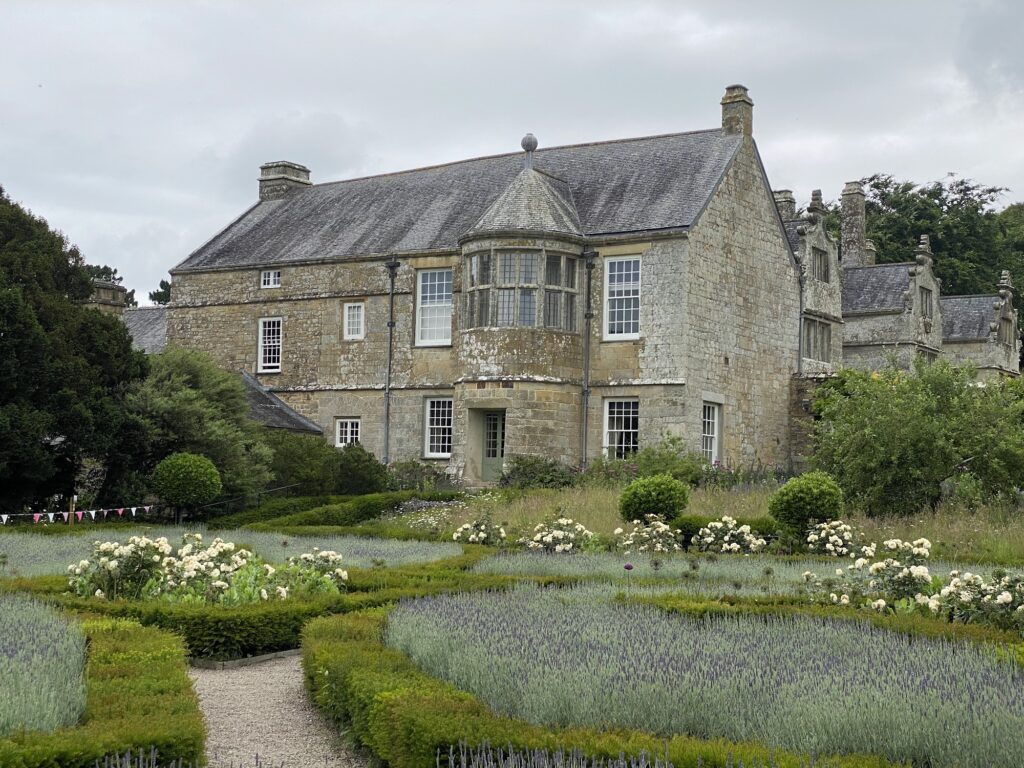
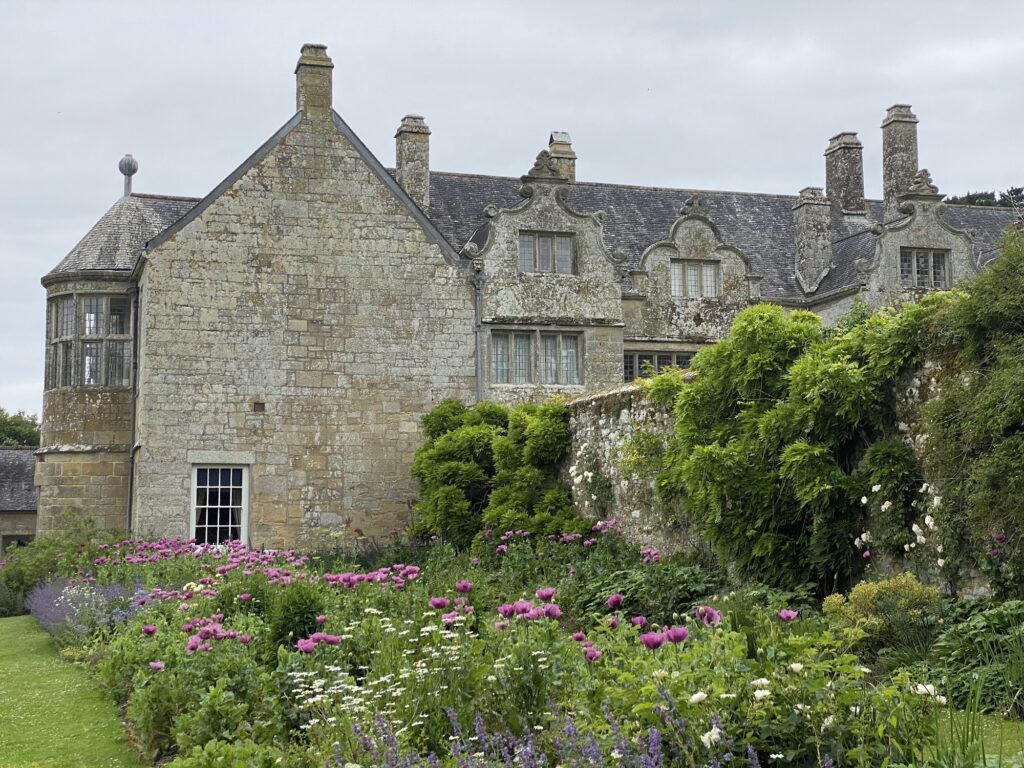
Trerice is one of Cornwall’s finest surviving Elizabethan manor houses, built mainly between 1570 and 1600 for the Arundell family, a powerful Catholic dynasty with strong Royalist sympathies. Despite its modest size compared to some country houses, Trerice is architecturally significant, with beautifully proportioned stonework, ornate plaster ceilings and richly panelled interiors that reflect late-Elizabethan tastes.
History of Trerice
Trerice is an Elizabethan manor house outside Newquay, built from 1570 by Sir John Arundell IV of Trerice on the site of an earlier medieval estate.
The Arundell family were an influential Cornish gentry dynasty, and the surviving manor reflects 16th-century architectural style with decorative Dutch-influenced gables, tall windows and formal interiors characteristic of the period.
Trerice remained a family seat for centuries, passing through various owners until it was entrusted to the National Trust in 1953, ensuring its preservation and opening it to the public.
What Trerice Is Like Today
Trerice House is packed with character. Inside you’ll find a rich collection of furniture, paintings and objects ranging from the 17th to the 19th century, including a Tudor four-poster bed, early furniture, clocks including a rare longcase by Thomas Tompion, and works by Cornish painter John Opie. The Great Hall with its decorative plasterwork ceiling is particularly impressive.
Surrounding the house is a delightful walled garden featuring a knot garden inspired by the plasterwork in the house. The garden’s tranquillity and attractive planting, along with views across the Cornish countryside, make it one of the highlights of a visit.
What You Can Do at Trerice
- Explore the House – Wander through the manor’s historic rooms, discover decorative plasterwork and architectural details, and learn about the families who lived here.
- Enjoy the Gardens – Stroll around the knot garden and orchard, relax on the lawn and perhaps play traditional games like kayling with family or friends.
- Family and Seasonal Activities – Trerice runs seasonal events such as Tudor Week with falconry displays, costume days and Tudor-inspired activities during school holidays. There are also family-friendly trails and activities such as hide-and-seek spotter trails.
Facilities at Trerice
Trerice provides a welcoming range of visitor facilities:
- Barn Café – A licensed café in the barn serving light lunches, sandwiches, soups, cakes, Cornish cream teas and hot drinks, with outdoor seating when weather permits.
- Shop – National Trust shop selling gifts, local produce, plants and souvenirs.
- Second-Hand Bookshop – A small volunteer-run bookshop with a varied selection of titles.
- There are accessible toilets, baby-change facilities and free parking on site for visitors, with an accessible route around parts of the garden available on request.
Key Things to Know Before You Visit Trerice
Opening Times
- Trerice is open daily from March to October; typically around 10:30 am to 4:30 pm.
- Winter (November & December): Mostly open weekends only, with shorter hours (often 11:00 am to 4:00 pm)
Ticketing
- National Trust members enjoy free entry as part of their membership.
- Non-members pay an admission fee (varies by age and season).
Dogs
Dogs are allowed in the garden, in the outdoor area of the cafe and the bookshop. They are not allowed in the house or shop. Assistance dogs are welcome in all areas.
Address: TR8 4PG, Kestle Mill near Newquay, Cornwall, England.
Approaching involves narrow country lanes; drive carefully and give priority where the road narrows.

After days spent wandering through ancient castles, Elizabethan manor houses, lush riverside gardens and sweeping Cornish parkland, there’s nothing better than returning to somewhere calm, comfortable and beautifully located.
Staying at The Valley places you right at the heart of Cornwall, just outside Truro, making it the perfect base for exploring the county’s remarkable National Trust properties. From here, you can easily reach estates such as Trelissick, Lanhydrock and St Michael’s Mount, before returning to peaceful countryside surroundings, on-site leisure facilities and the comfort of your own private holiday cottage in Truro, Cornwall.
If you’re planning a heritage-filled Cornish escape, The Valley offers the ideal blend of location, relaxation and convenience, so you can explore more by day and truly unwind each evening.