
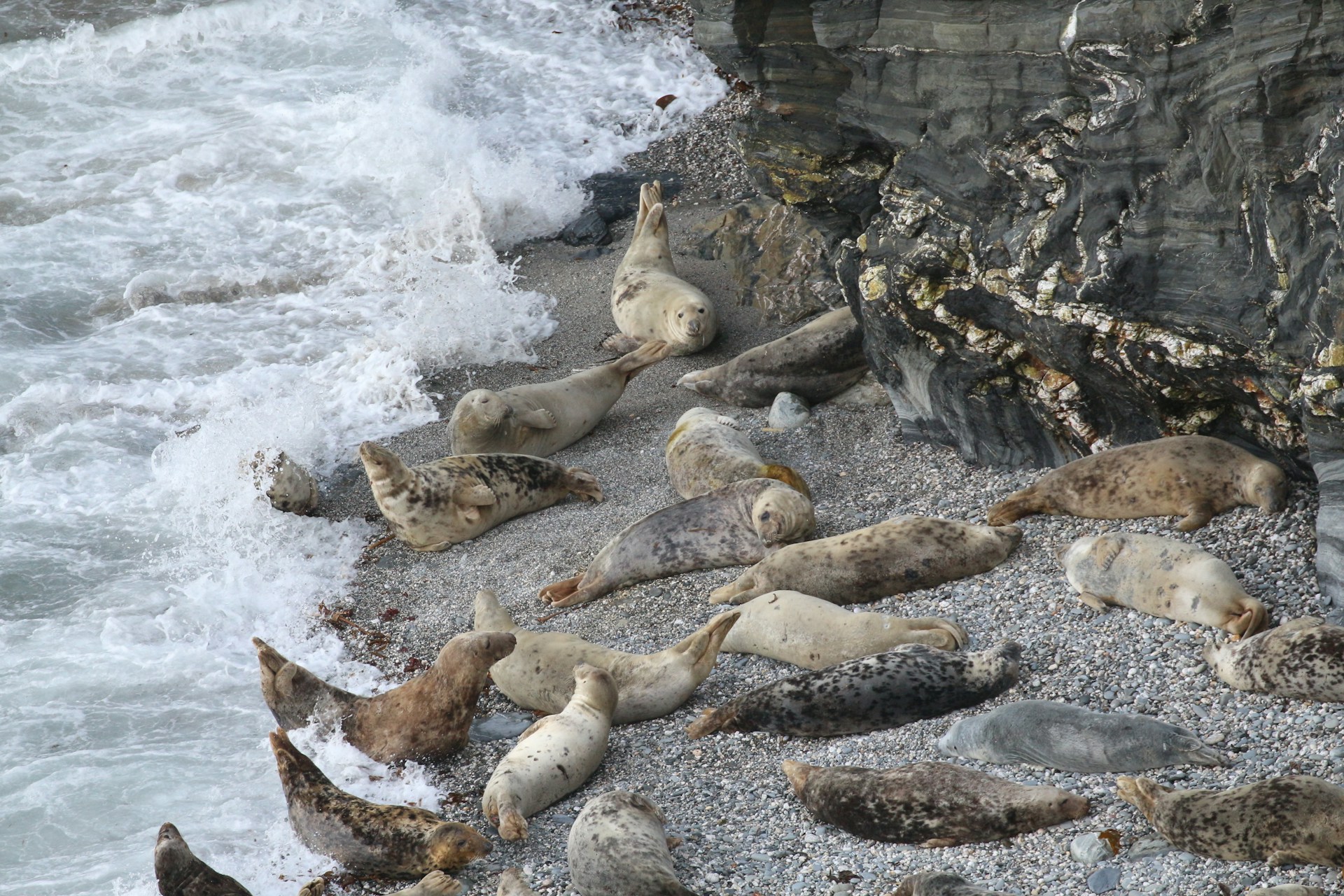
Cornwall’s dramatic coastline isn’t just picture-perfect, it’s also one of the best places in the UK to watch wild seals in their natural habitat. Thanks to its mix of rocky coves, secluded beaches, and rich marine life, you can often spot Atlantic grey seals basking on rocks or swimming close to shore from spring through winter.
Below are some of the top seal-watching locations in Cornwall, whether you’re walking the cliffs, taking a boat tour, or just taking a peek with binoculars.
What Type of Seals Can You See in Cornwall?
The seal you are most likely to see along the Cornish coast is the Atlantic grey seal (Halichoerus grypus). Cornwall is home to one of the largest populations of this species in England, and they are a common sight around rocky headlands, offshore islands and quiet coves where they haul out to rest.
Grey seals are the larger of the two seal species found in British waters and can often be recognised by their longer snout and large, dark eyes. Their coats vary in colour, ranging from pale silver-grey to darker brown with mottled spots.
You might also encounter a Harbour seal (Phoca vitulina), also known as the common seal – although these are actually rarer in Cornwall. These seals are smaller, with shorter snouts and rounder heads.
Mutton Cove, Godrevy Point
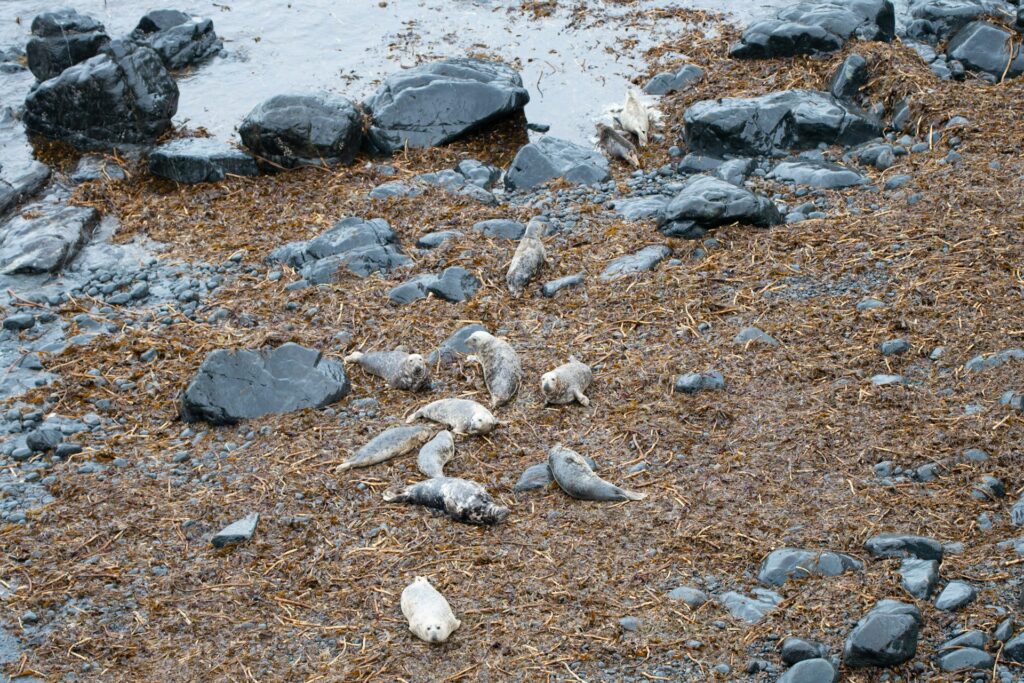
One of the most reliable and well-known seal colonies in Cornwall can be found at Mutton Cove, on the far side of Godrevy Head near Hayle. The cove itself is not directly accessible, which is part of what makes it such a safe and successful haul-out site. Visitors watch from the South West Coast Path above, looking down onto the sandy beach and rock shelves below.
At low tide, dozens of seals can often be seen sprawled across the sand, while others bob in the water just offshore. During the autumn pupping season, typically from September through November, numbers increase and you may spot white-coated pups resting close to their mothers. Clear days provide excellent visibility from the cliff tops, and binoculars are highly recommended to get a good look without disturbing the colony.
Seal Island, St Ives Bay
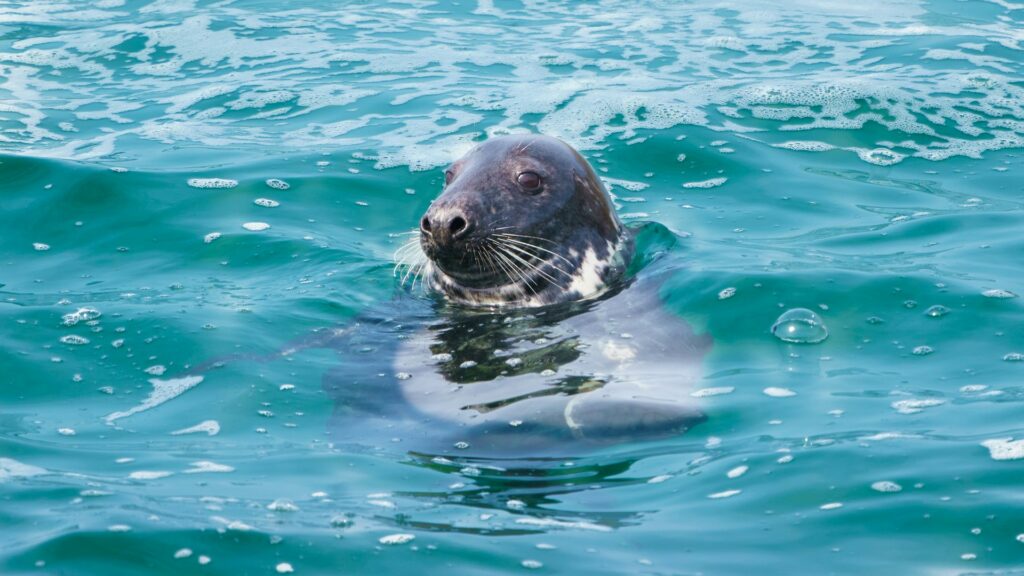
Just off the coast of St Ives lies Seal Island, a small rocky outcrop that has become a hotspot for grey seals, and sightings are common throughout the year. Boat trips from St Ives Harbour can give you a closer look.
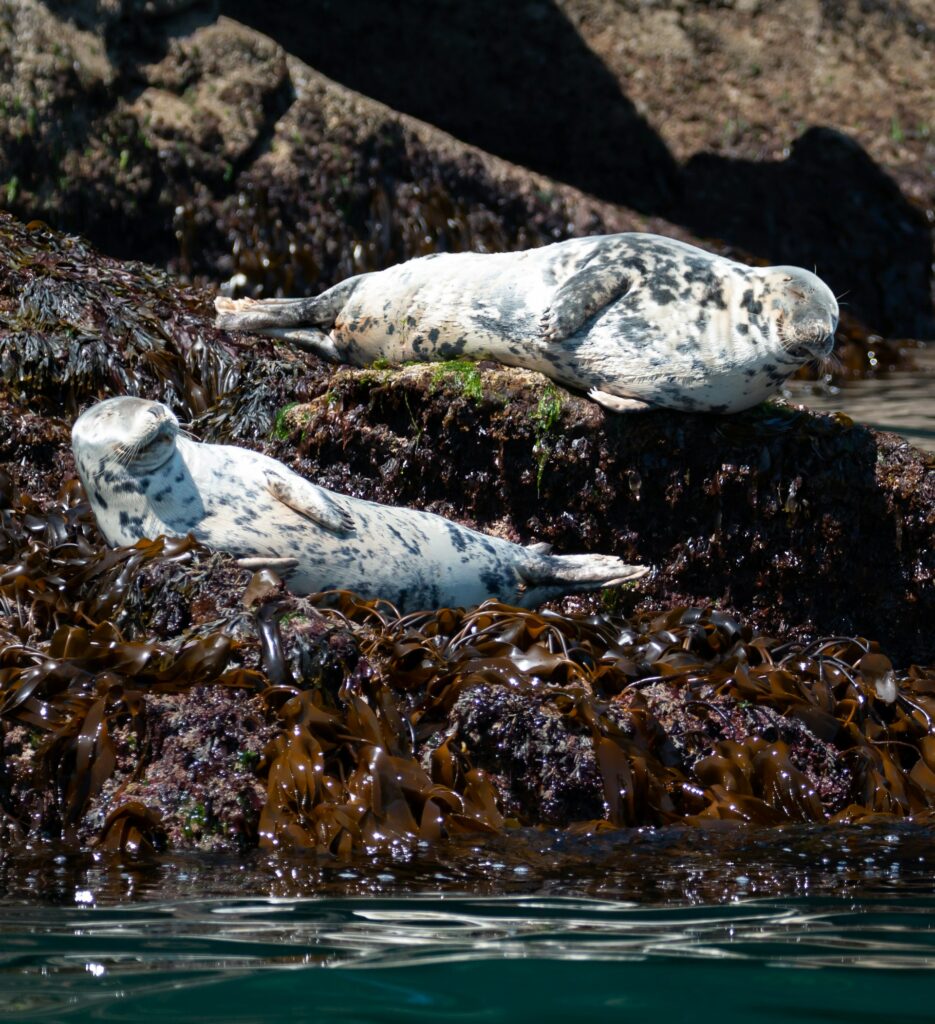
From the water, you’ll often see seals draped over sun-warmed rocks or slipping gracefully between the swells. Boat operators keep a respectful distance, allowing seals to remain relaxed and undisturbed. On calm days, the water can be remarkably clear, offering lovely views as seals surface curiously nearby.
If you don’t want to go by boat, coastal paths around St Ives Bay still offer good views, and you might catch a glimpse of heads popping up offshore, especially in quieter stretches away from the busiest beaches.
Looe Island and Surroundings
Looe Island, also known as St George’s Island, lies just off the south coast near Looe and is managed as a nature reserve. The rocky shoreline and surrounding tidal ledges make it a regular resting place for seals. Access to the island itself is controlled to protect wildlife, but boat trips around the island offer excellent opportunities to see seals.
Because this stretch of coastline is slightly more sheltered than the north coast, the sea conditions can sometimes allow for steadier wildlife watching. It’s also an area rich in birdlife, so a trip here often combines several wildlife encounters in one outing.
Land’s End & West Cornwall Headlands
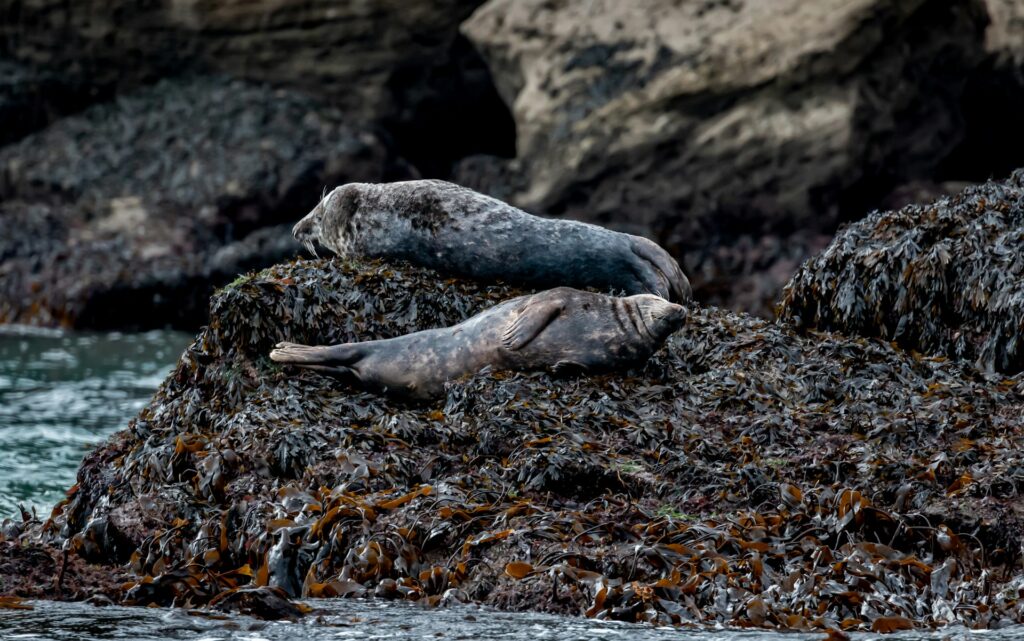
The dramatic granite cliffs around Land’s End and nearby Gwennap Head provide sweeping views over the Atlantic and some excellent seal-spotting potential. This is a more rugged environment, where seals tend to haul out on isolated rocks at the base of cliffs or in narrow inlets carved by the sea, so you’ll only be able to spot them looking down from the cliff edge.
Because of the height of the cliffs, seals may appear small to the naked eye, so patience and binoculars make all the difference. The wildness of this landscape adds to the experience; even if seals are elusive on a particular day, the scenery alone is worth the walk. In calmer weather, you may also see dolphins or porpoises passing through these productive waters.
Lizard Point
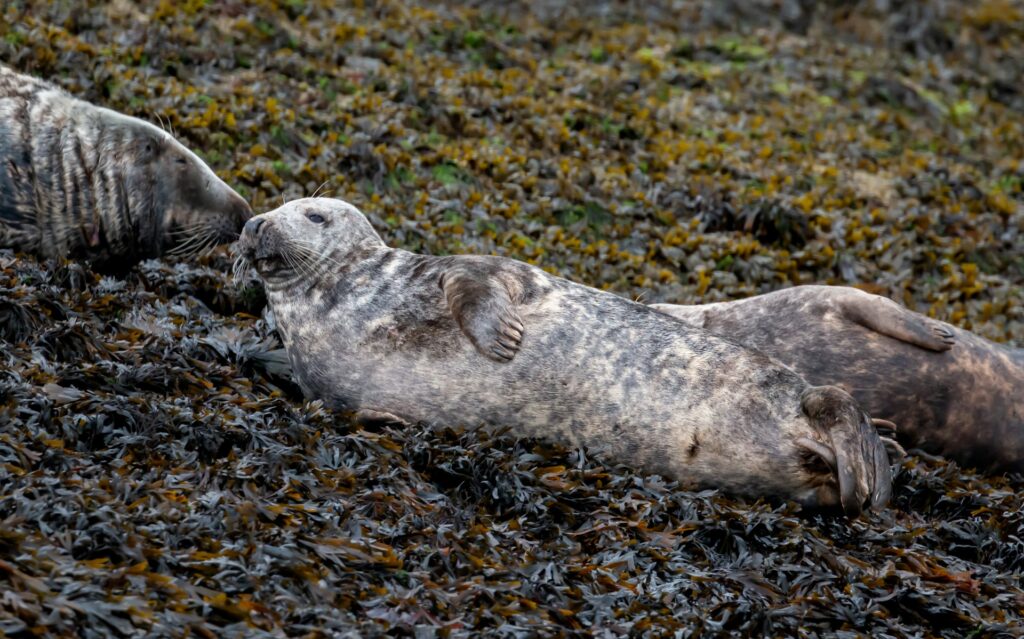
As the southernmost point of mainland Britain, Lizard Point’s wild, jagged coastline is prime territory for seals as well as dolphins and seabirds. Seals are often seen close to the rocks below the headland or in the sheltered coves along this stretch of coast. The cliff paths offer elevated vantage points, making it possible to watch seals swimming and fishing in relatively clear water.
During autumn, pupping activity increases around parts of the Lizard peninsula, which are best observed from a respectful distance to avoid disturbance. The combination of turquoise water, serpentine cliffs and frequent wildlife sightings makes this a particularly rewarding place to linger.
Pendennis Point & Falmouth Area
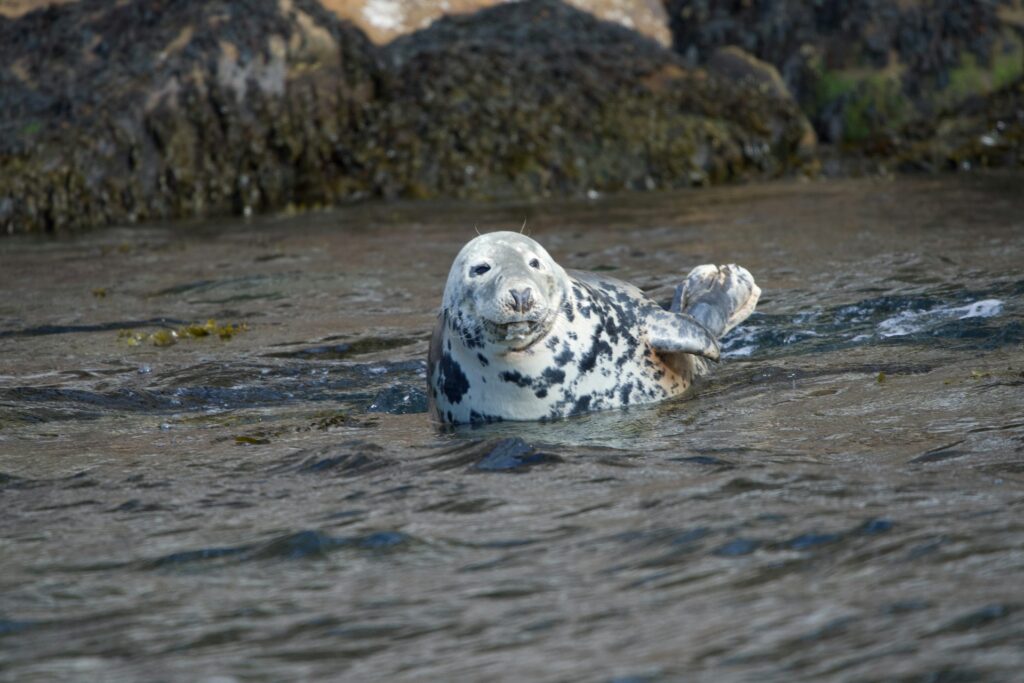
On Cornwall’s south coast near Falmouth, Pendennis Point offers a more accessible location for seal watching without a long cliff walk. Seals are sometimes seen hauled out on rocks near the mouth of the estuary or swimming in the calmer waters of Falmouth Bay. Because of the relatively sheltered conditions, this can be a good option on windier days when the north coast is rough.
Wildlife boat trips from Falmouth also increase your chances of seeing seals, often alongside seabirds and occasionally dolphins. Watching from the grassy headland near the castle provides a relaxed vantage point with wide sea views.
Trevose Head & Padstow Coast
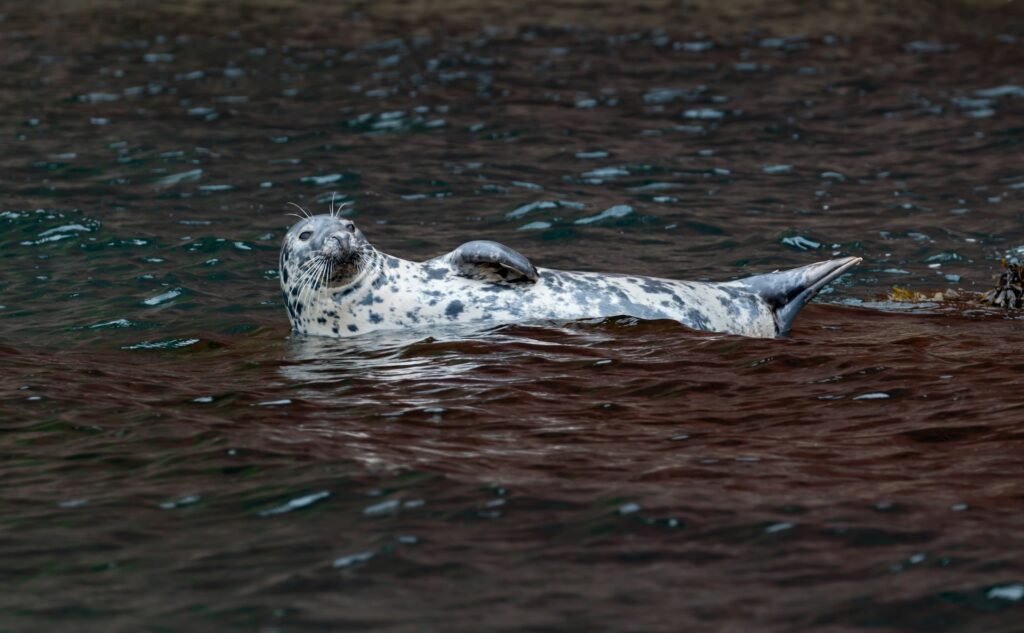
Walking the coastal paths near Trevose Head (west of Padstow) can bring rewarding seal sightings from the cliffs. The high cliffs and rocky coves create ideal haul-out spots for seals, particularly at low tide. From the South West Coast Path, you can scan the rocks below for the distinctive pale shapes of resting seals.
Boat trips from Padstow also venture along this coastline, sometimes providing closer views depending on sea conditions. This area feels wild and expansive, and sightings often come as a quiet reward for those willing to pause and watch the water carefully.
Cornish Seal Sanctuary, Gweek
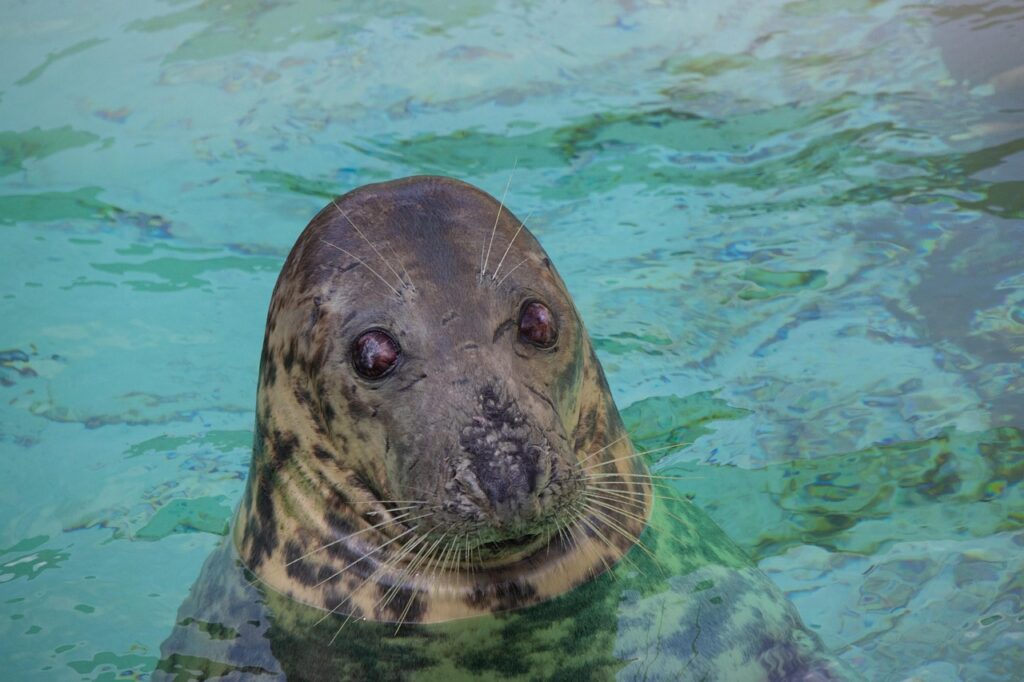
For those who would like a guaranteed close-up experience while supporting conservation work, the Cornish Seal Sanctuary in Gweek offers something different. Located along the Helford River, the sanctuary rescues injured, orphaned and sick seal pups from around the Cornish coastline, rehabilitating them with the aim of releasing them back into the wild once they are strong enough.
The sanctuary also cares for a small number of permanent resident seals that cannot be returned to the wild, but you can see them enjoying life in their pools, with plenty of fish! Beyond seal care, the site includes woodland walks and educational exhibits focused on marine conservation, making it both an engaging day out and a meaningful way to contribute to wildlife protection efforts.
Responsible Seal Watching Tips
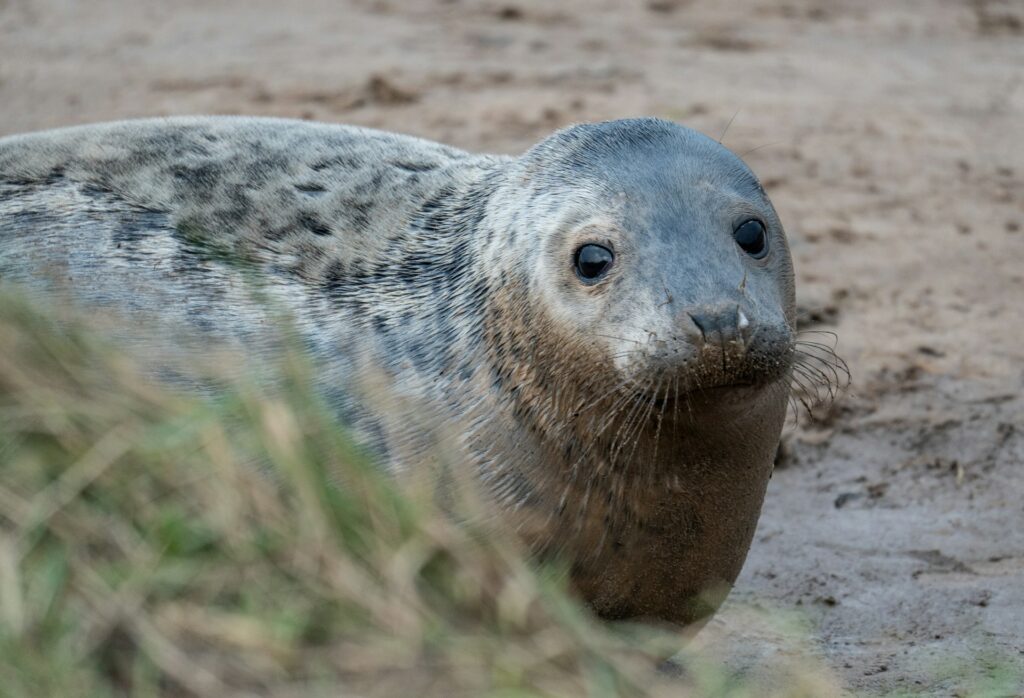
Wherever you choose to go, responsible wildlife watching is essential. Keeping your distance, staying quiet, and avoiding any attempt to approach seals on beaches ensures these remarkable animals remain safe and undisturbed.
- Always keep your distance, seals can become stressed if approached.
- Use binoculars or a zoom lens to observe seals without disturbing their natural behaviour.
- Stay quiet and avoid noisy or sudden movements.
- Keep dogs on leads if you have them with you.
With patience and a little planning around the tides, Cornwall’s coastline offers plenty of opportunities to see these charming marine mammals in their natural home. If you’d like to catch a glimpse of seals and other Cornish wildlife, our cottages to rent in Truro make the perfect base for exploring the county.