
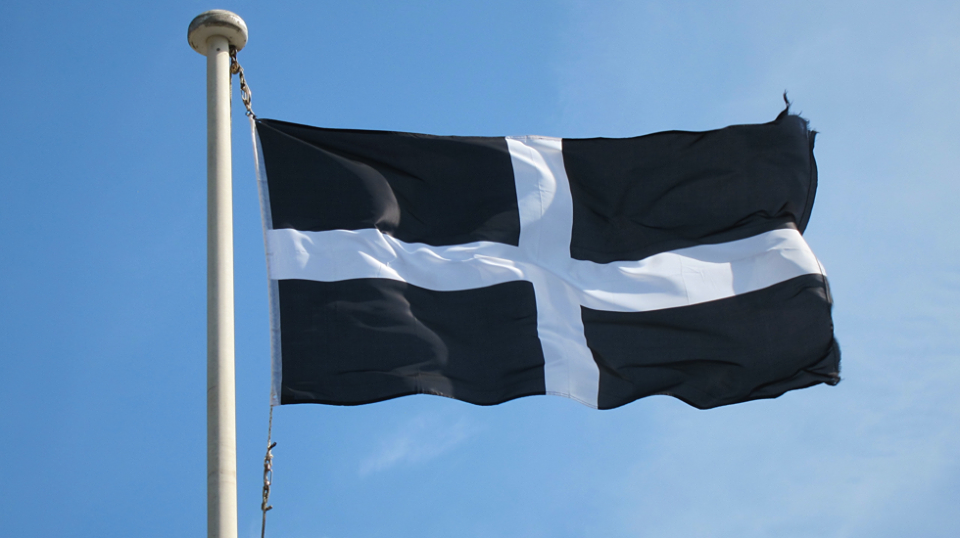
While today, English is spoken in Cornwall, did you know that the county once had a language of its own?
A Celtic language – akin to Welsh and Breton – the Cornish language, known as Kernewek, stopped being used during the 18th century, but has seen a resurgence in recent years. While few speak Cornish as their mother tongue, some have found a connection to their heritage through learning this language. Nowadays, the language is taught in some Cornish schools, with some children also being raised bilingual, or with Cornish as their first language.
To celebrate the language and this aspect of Cornish heritage, we have created a guide to some of the Cornish language words you can learn and try on your next stay at our Truro holiday cottages!
Everyday Cornish Words
Hello – Dydh da
Goodbye – Dyw genes
Please – Mar pleg
Thank you – Meur ras
Sorry – Drog yw genev
Excuse me – Gav dhymm
What’s your name? – Pyth yw dha hanow?
My name is [name] – Ow hanow yw [name]
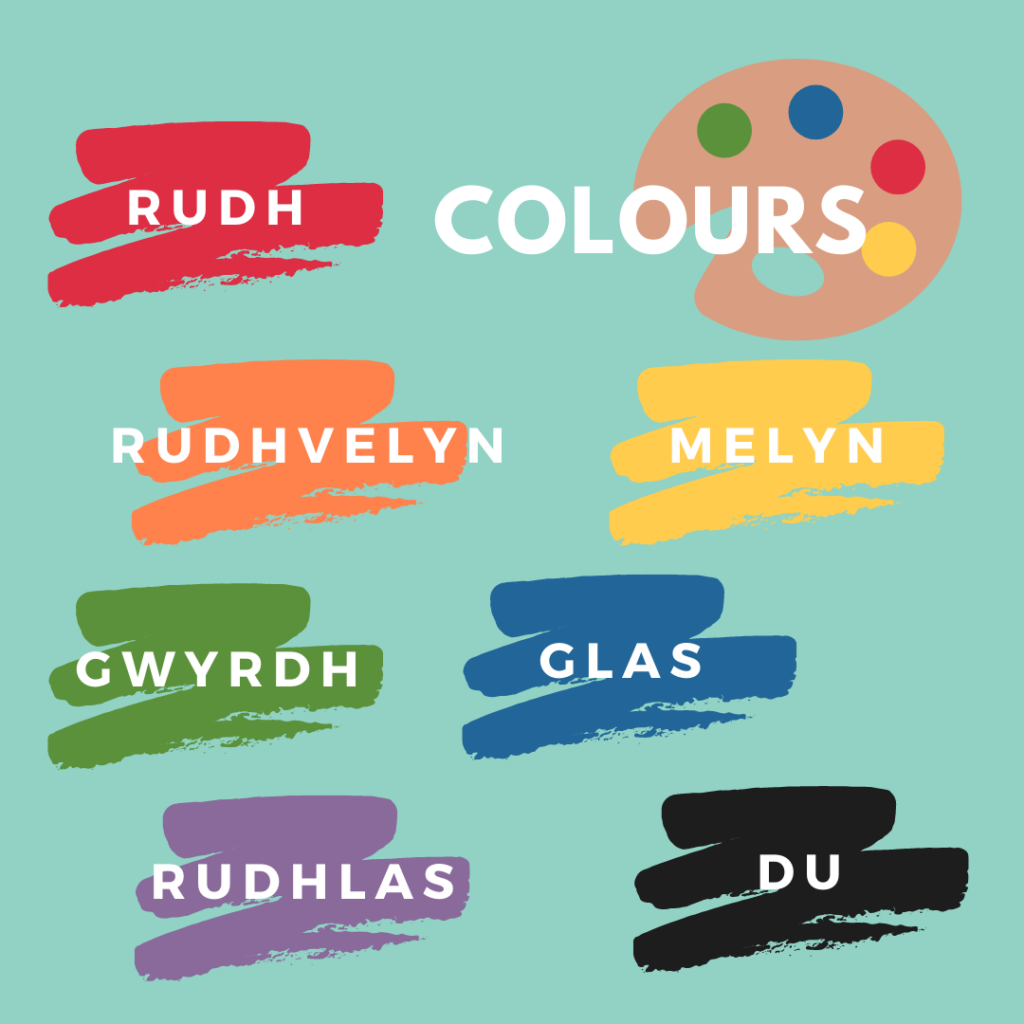
Colours in Cornish
Red – Rudh
Orange – Rudhvelyn
Yellow – Melyn
Green – Gwyrdh
Blue – Glas
Purple – Rudhlas
Black – Du
Numbers in Cornish
One – Onan
Two – Dew
Three – Tri
Four – Peswar
Five – Pymp
Six – Hwegh
Seven – Seyth
Eight – Eth
Nine – Naw
Ten – Deg
Days in Cornish
Monday – Dy’ Lun
Tuesday – Dy’ Meurth
Wednesday – Dy’ Mergher
Thursday – Dy’ Yow
Friday – Dy’ Gwener
Saturday – Dy’ Sadorn
Sunday – Dy’ Sul
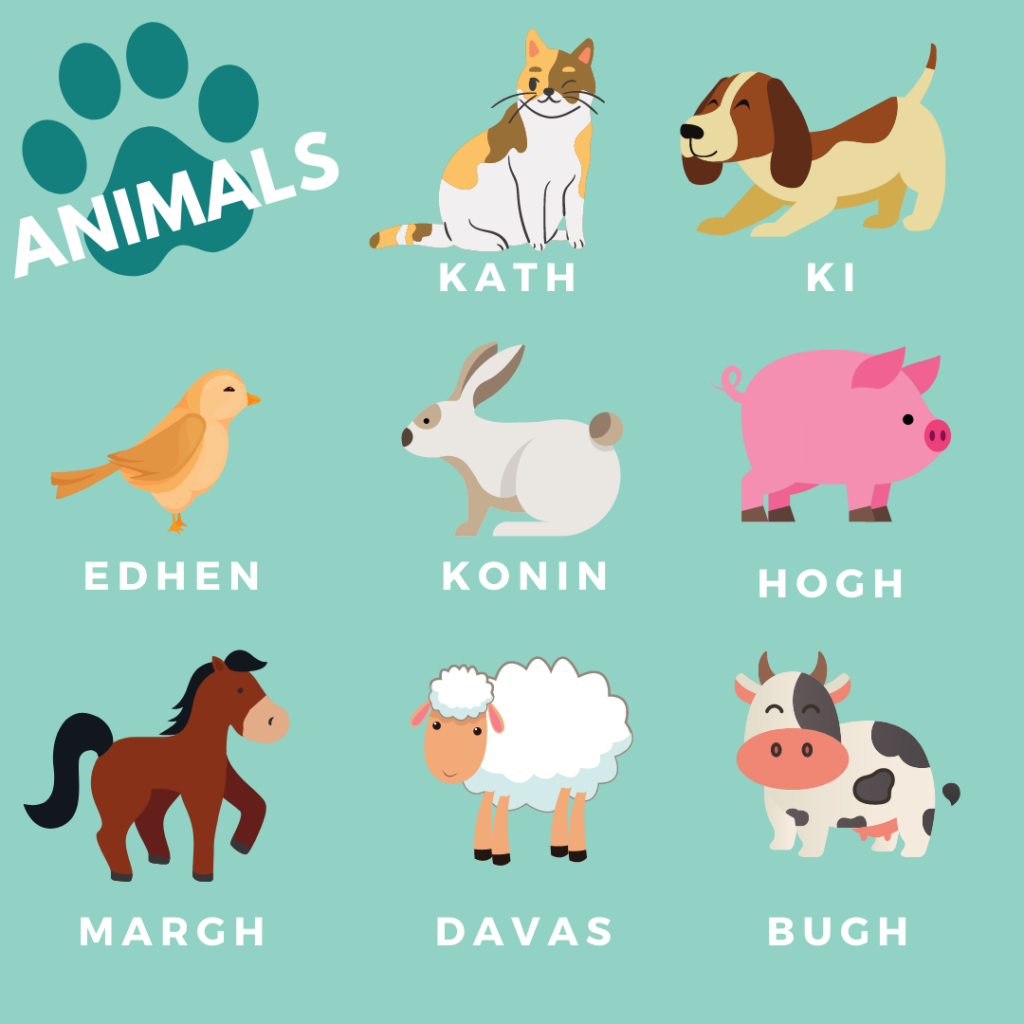
Animals in Cornish
Cat – Kath
Dog – Ki
Bird – Edhen
Rabbit – Konin
Pig – Hogh
Horse – Margh
Sheep – Davas
Cow – Bugh
Places to Visit in Cornish
Beach – Treth
River – Avon
Lake – Lynn
Ocean – Keynvor
Estuary – Heyl
Waterfall – Dowrlamm
Castle – Kastell
Church – Eglos
Moor – Hal
Valley – Nans
Wood/Forest – Koes
Field – Pras
Mine – Bal
Farm – Bargen-tir
We hope these basics have given you a great introduction to the Cornish language. If you want to try out these words, what better place to start than within Cornwall itself?! Alternatively, learn more in our article on great facts about Cornwall!